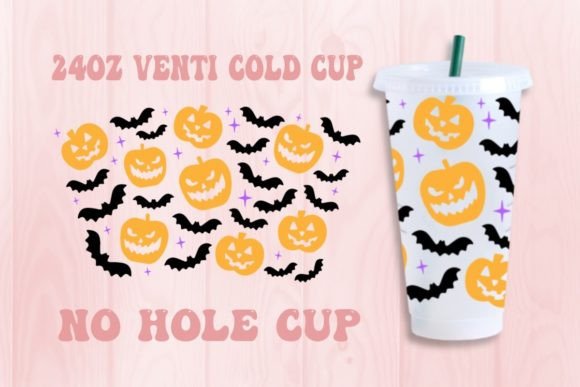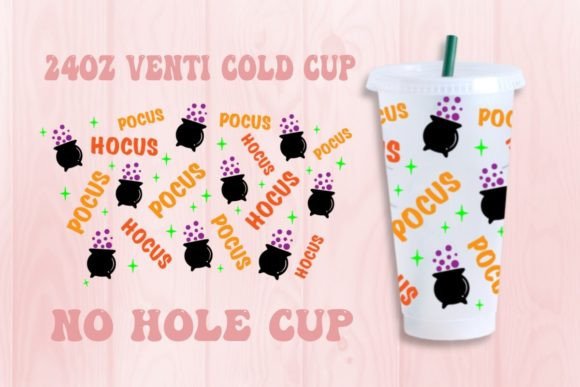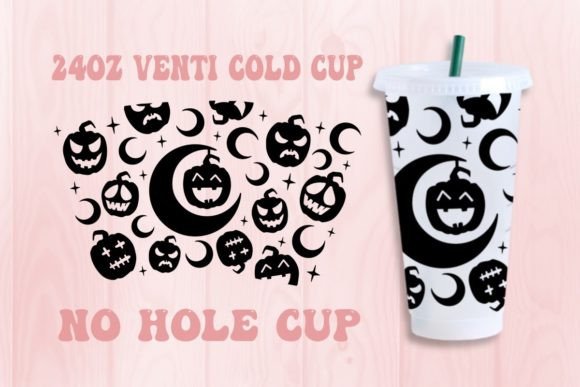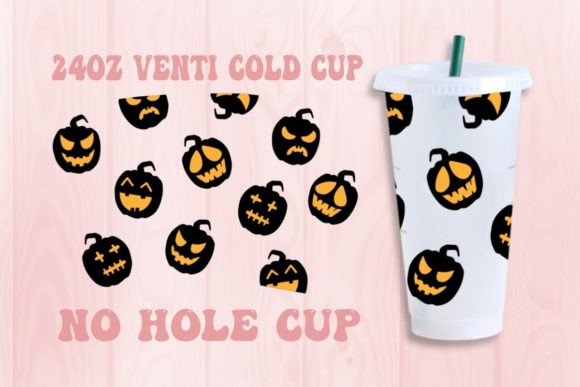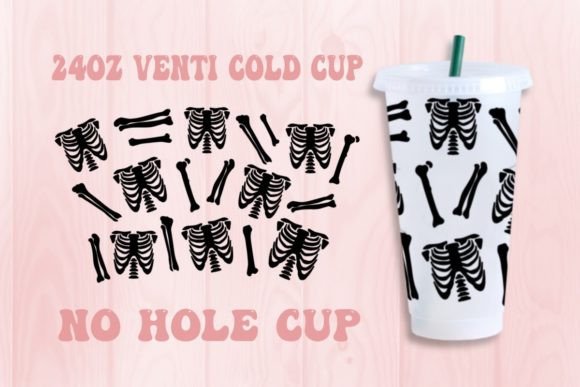
Halloween Skeleton Body No Hole SVG
First Impressions: Bold, Playful, and Ready for Real Stitching
When I opened Halloween Skeleton Body No Hole SVG, I wasn’t looking for another generic skull or jack-o’-lantern. I was scanning for something with presence—something that holds up at 4–5 inches tall on a sweatshirt chest or across the front of a tote bag. What stood out immediately was its clean silhouette: no internal cutouts, no fragile negative space, no “hole” where fabric would show through. That’s not just clever naming—it’s intentional design discipline. This isn’t a decorative graphic meant only for printing; it’s built with embroidery in mind. The curves are smooth but defined, the ribcage reads clearly without over-detail, and the pose has just enough attitude to feel spirited—not spooky—making it ideal for family-friendly Halloween goods like baby onesies, kids’ aprons, or boutique tea towels.
A Real Project Test: Embroidering It on a Linen-Cotton Kitchen Towel
Last week, I used Halloween Skeleton Body No Hole SVG for a small-batch holiday product line—embroidered kitchen towels for a local craft fair. I chose medium-weight linen-cotton blend, medium tear-away stabilizer, and matte black 40-weight thread. The result? Crisp edges, zero puckering, and excellent stitch definition—even in the curved spine area. Because there’s no interior void, the fill stitch laid down evenly without skipped stitches or thread nesting. That “no hole” feature also meant I didn’t need to layer appliqué or add backing stitches to hide raw fabric underneath. For Etsy sellers bundling embroidered towels as personalized gifts, this saves time, reduces errors, and elevates perceived quality. Customers noticed the clean finish—several asked if it was hand-stitched.
Where It Shines (and Where to Pause)
- Custom apparel: Works beautifully on crewneck sweatshirts and structured tote bags—especially when centered above a pocket or along a seam line.
- Baby embroidery: Gentle enough for onesies and burp cloths; the solid shape avoids tiny, risky details that snag during washing.
- Embroidered patch: Clean outer edge means easy cutting and clean iron-on or sew-on application—no fraying corners.
- Holiday gifts & boutique branding: Reads well at 3.5–4.5 inches, making it versatile for gift tags, pillow covers, and seasonal shop signage.
- Small hoop constraints: Fits comfortably in a 4×4 hoop—ideal for beginners or shops with limited hoop sizes—but test first on textured fabrics like terry cloth or fleece, where stitch density can compress unevenly.
Fabric & Function: What You’ll Want to Watch
This isn’t a one-size-fits-all embroidery file—and that’s okay. On thin or stretchy fabric (like lightweight jersey or baby rib knit), I recommend switching to a light cut-away stabilizer and reducing stitch density slightly in your editing software. Why? Because the body shape is broad and continuous—dense fill areas can cause distortion if the base fabric gives too much. On dark fabric, contrast matters: matte black thread reads cleanly, but metallic or pastel threads may fade visually unless you add a white underlay (which the design doesn’t include—so plan ahead). And while it’s labeled for Venti cold cups, remember: that’s a print sizing cue—not an embroidery guarantee. Cups have curvature, so if you’re stitching onto a contoured surface like a baseball cap visor, test placement and tension carefully.
Design Integrity in Your Finished Product
What makes Halloween Skeleton Body No Hole SVG stand out among holiday embroidery files isn’t just its theme—it’s how it supports your brand voice. If you sell handmade products with a vintage-modern aesthetic, this skeleton reads confident and cohesive—not cartoonish or dated. It scales well in mockups, whether you’re building an Etsy listing, crafting Instagram story previews, or prepping printable packaging labels. Customers respond to clarity: when the embroidery reads instantly as “Halloween,” without needing explanation, trust builds faster. That translates directly to fewer returns, better reviews, and repeat buyers who associate your shop with thoughtful, production-ready design assets.
Practical Designer Notes Before You Stitch
- Always run a test on scrap fabric matching your final project’s weight and texture.
- Check thread color contrast against both light and dark backgrounds—especially if selling digitally for others to embroider.
- Review stitch density in your embroidery software: aim for 10–12 stitches/mm in fill areas for balanced durability and drape.
- Confirm hoop size compatibility—if you work mostly with 3×3 hoops, verify the design fits or resize proportionally before digitizing.
- Inspect small curves and joints (like shoulder/neck junctions) for potential stitch crowding—some machines slow down there, affecting timing.
- Test black-and-white mockups to assess visual weight and balance before committing to full-color production.
- Use proper stabilizer for your fabric type—this design benefits from medium tear-away on stable weaves, but needs light cut-away on knits.
- If reselling finished items, confirm licensing terms—this is a Graphics file intended for Crafts use, but commercial embroidery rights depend on the seller’s policy.
Final Thought: A Reliable Workhorse for Seasonal Craft Business
Halloween Skeleton Body No Hole SVG won’t wow with flash or novelty—but it delivers something rarer in the embroidery world: consistency. It’s the kind of machine embroidery design you reach for when you need dependable results across dozens of projects—whether you’re prepping 50 embroidered sweatshirts for a school fundraiser or designing a limited-run holiday collection for your handmade shop. It respects your time, your machine, your fabric, and your customer’s expectations. In a category crowded with overly complex or poorly digitized files, this one feels like a quiet professional nod: “You’ve got this.” And honestly? That’s exactly what most craft business owners, Etsy sellers, and small shop makers need most this season.