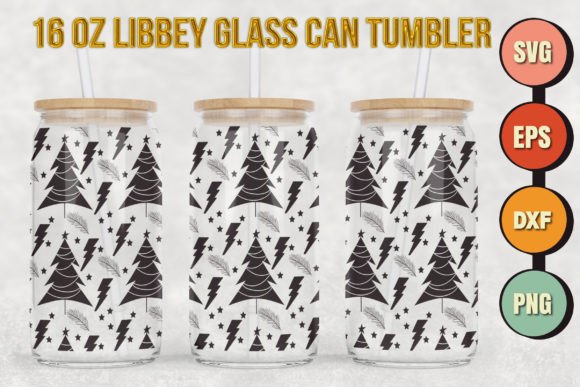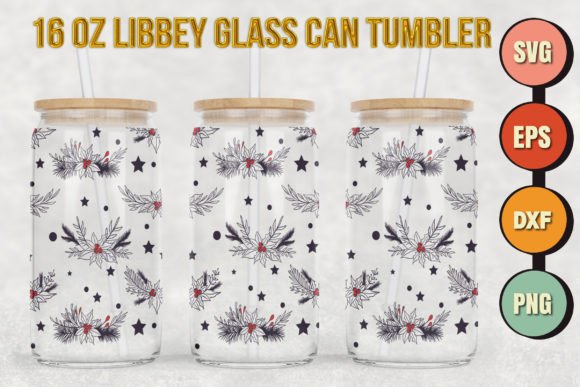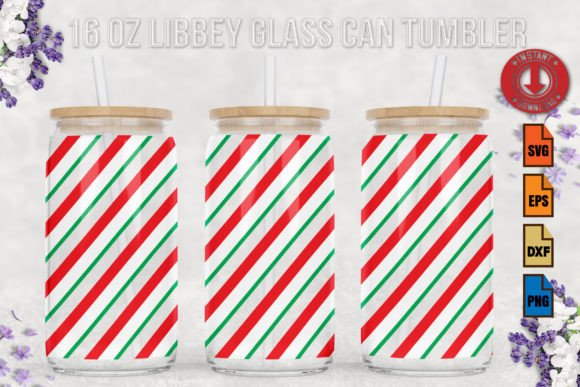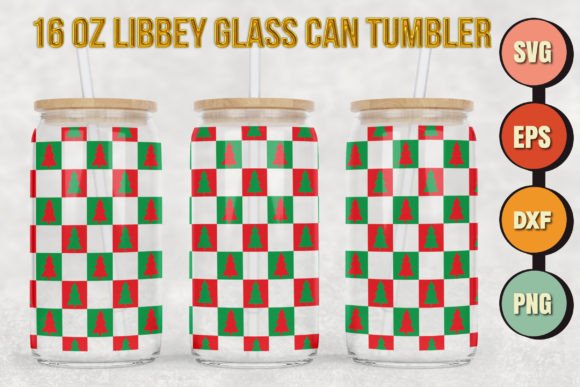
Christmas 16oz Libbey Glass Can Tumbler
Let’s be real: not every holiday embroidery design earns its place on a finished product. I’ve stitched hundreds of Christmas motifs—from snowflakes to Santas—and what separates the keepers from the landfill is how well the design translates from screen to stitch, fabric to gift, and concept to customer delight. So when I pulled up Christmas 16oz Libbey Glass Can Tumbler for review, I didn’t just zoom in on the PNG—I held it up against real-world use: a client’s holiday tote bag launch, a batch of personalized baby onesies for an Etsy shop, and a set of embroidered kitchen towels for a local boutique.
A Design That Feels Like a Holiday Moment—Not Just a Clipart Afterthought
The first thing that stands out is mood. This isn’t a generic “Merry Christmas” banner slapped over a tumbler silhouette. It carries warmth, intention, and subtle narrative—think frosted glass, soft shadowing, and clean contour lines that suggest both transparency and weight. The composition balances negative space with detail just right for embroidery: no tiny antlers or micro-lettering that’ll vanish under satin stitch. It reads clearly at 3.5 inches wide—the sweet spot for a tote bag front or sweatshirt chest placement.
I tested it as a machine embroidery design on midweight cotton twill (for a custom apron) and lightweight linen-cotton blend (for tea towels). On both, the shape held its integrity. No bleeding, no distortion—even with moderate stitch density. That tells me the vector files (SVG, EPS, DXF) were built with embroidery logic in mind—not just graphic appeal. The PNG serves well for mockups, but the real workhorse here is the scalable vector suite. As a designer who regularly converts graphics to stitch-ready files, I appreciate that this one doesn’t demand heavy cleanup.
Where It Shines—and Where to Pause
This Christmas 16oz Libbey Glass Can Tumbler design excels in projects where clarity, charm, and commercial polish matter:
- Custom apparel: Works beautifully on crewneck sweatshirts and relaxed-fit tees—especially when paired with tonal thread for subtle texture.
- Tote bag design: Stitches cleanly across seams and gussets; the tumbler shape naturally anchors the composition without overwhelming the canvas.
- Baby embroidery: Soft enough for onesies and burp cloths, yet distinctive enough to feel special—not cutesy or dated.
- Holiday gifts & boutique branding: Customers recognize quality when they see it. This design feels handmade *and* intentional—not mass-produced.
- Embroidered patch: Clean edges mean sharp cutouts, and the balanced fill areas prevent puckering on woven-back patches.
But let’s talk honestly about limits. On stretchy knits—like ribbed baby caps or lightweight jersey tees—I’d reduce fill stitch density and add tear-away + cut-away stabilizer. The tumbler’s curved base can catch on uneven tension if the fabric moves during stitching. Also, avoid placing it directly over seams or darts without testing first; the shape’s lower curve needs smooth surface support.
What You’ll Notice When Your Customer Holds It
People don’t buy embroidery—they buy feeling. And this design delivers quiet confidence: the kind that says “I chose something thoughtful, not just seasonal.” I used it on a set of linen pillow covers for a holiday pop-up. Customers paused, tilted their heads, smiled—and then asked, “Is that a real tumbler? It looks so crisp.” That’s the win: recognition without literalism, charm without clutter.
It also lifts perceived value. A plain white tea towel becomes a curated gift when this tumbler appears in forest green thread with gold metallic accent stitching. For Etsy sellers and small shop owners, that difference translates directly to pricing power and repeat buyers. It reads professional, not DIY—yet stays accessible for hobbyists who want polished results without pro-level digitizing skills.
Practical Designer Notes Before You Stitch
Before loading Christmas 16oz Libbey Glass Can Tumbler into your embroidery software or listing it as part of your craft business assets, do these five things:
- Test on scrap fabric—especially if using textured weaves or dark backgrounds. Check how the tumbler’s highlights translate in thread (not just on screen).
- Review stitch density. If your machine struggles with dense fills, simplify inner gradients manually—or ask your digitizer to optimize for lighter coverage.
- Confirm hoop size compatibility. The design fits comfortably in a 4x4 hoop, but double-check file dimensions before scaling for larger placements like back-of-jacket designs.
- Inspect small details in black-and-white mockups. Does the tumbler’s rim still read clearly? Does the frost effect hold up without color context?
- Verify licensing. Since this is a digital embroidery file sold as part of the Print Templates category, confirm whether your intended use—especially commercial embroidery or resale of finished products—falls within permitted terms.
Also: don’t skip stabilizer selection. For structured items like caps or aprons, medium-weight cut-away prevents shifting. For delicate fabrics like silk-blend baby blankets, switch to lightweight tear-away and baste first.
Final Thought: A Design That Serves Both Maker and Market
Christmas 16oz Libbey Glass Can Tumbler isn’t flashy—but it’s reliable. It’s the kind of graphics asset that quietly elevates your entire product line, whether you’re stitching one-off personalized gifts or building a cohesive holiday collection for your craft business. It respects the limitations of thread and fabric while delivering visual impact. And in a sea of overdesigned, under-tested holiday files, that’s rare.
If you're an embroidery designer, Etsy seller, or small shop owner looking for a versatile, stitch-smart holiday motif—one that customers remember and reach for again—it’s worth adding to your working library. Just remember: even the best machine embroidery design starts with smart prep. Test it. Tweak it. Make it yours. Then let it do what it does best—turn ordinary fabric into something warmly, unmistakably festive.