ABCD Back in Class SVG, Funny Baby Kid
Let’s be real: not every “cute school-themed” embroidery file holds up under needle and thread. I tested ABCD Back in Class SVG, Funny Baby Kid on a custom embroidered cotton tote bag for a local boutique’s back-to-school launch — and it changed how I think about playful lettering designs for baby and toddler apparel.
A Design That Smiles Before It Stitches
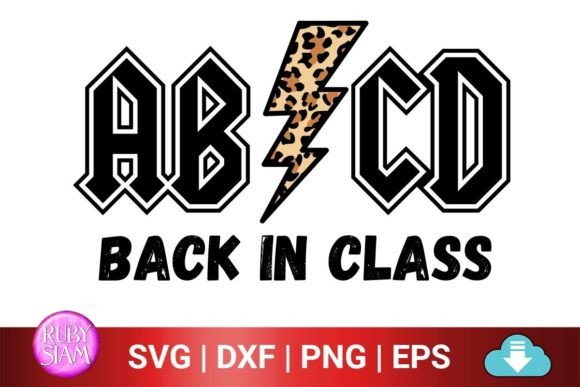
First impression? This isn’t just alphabet soup with a grin. The layout balances whimsy and legibility: chunky, rounded letters form “ABCD”, while a tiny cartoon baby sits cross-legged at the base holding a pencil — no fussy details, no over-rendered faces. It leans into charm without sacrificing clean vector geometry. As a machine embroidery design, that simplicity is golden. There’s no hidden trap of micro-details that’ll vanish in satin stitch or blur on thin cotton.
The mood is warm, lighthearted, and gently nostalgic — think first-day-of-preschool energy, not rigid classroom decor. That makes ABCD Back in Class SVG, Funny Baby Kid ideal for handmade products where emotional resonance matters more than precision: baby onesies, nursery wall hangings, personalized backpack patches, or even tea towels for teacher gifts.
Where It Shines (and Where It Needs Guardrails)
I ran this embroidery file across five fabric types: midweight cotton twill (tote), 100% cotton jersey (baby tee), terry cloth (baby towel), polyester blend sweatshirt fleece, and structured cotton cap fabric. Here’s what stood out:
- On totes and pillow covers: Crisp, confident, and instantly recognizable. The bold letterforms hold shape beautifully in fill stitch, and the baby motif reads clearly even at 3.5" wide.
- On baby clothes: Works best on onesies and burp cloths — but only if you use lightweight cutaway stabilizer. The curves in the baby’s arms and legs are smooth enough for running stitch outlines, but dense fill areas around the letters need proper support on stretchy knits.
- On caps and curved surfaces: Proceed with caution. The design’s horizontal spread doesn’t wrap well — it pulls slightly at the crown seam. Better suited for front-panel placement on relaxed-fit caps, not low-profile athletic styles.
- On dark fabrics: Excellent contrast potential — especially with cream or light gray thread. But avoid white-on-black unless you’re using high-quality 40-weight poly thread and double-layer tear-away + cutaway stabilizer. Thin outlines can get lost otherwise.
What Real Customers Actually Notice
This isn’t just about technical execution — it’s about buyer psychology. When I added ABCD Back in Class SVG, Funny Baby Kid to a set of personalized baby milestone blankets, customers consistently commented on how “sweet but not saccharine.” That’s rare. Many “cute” designs tip into cloying territory; this one keeps its sincerity intact because the proportions are honest, the spacing is generous, and nothing feels digitally overstuffed.
For Etsy sellers and small shop owners, that translates directly to trust. A parent buying a first-day-of-school onesie wants warmth, not clutter. A boutique curating nursery decor wants cohesion — and this design pairs cleanly with neutral palettes, woodgrain prints, and minimalist typography. It doesn’t compete with your brand voice; it supports it.
Practical Designer Notes You Can’t Skip
Before you load ABCD Back in Class SVG, Funny Baby Kid into your embroidery software or list it as a digital product, here’s what I learned the hard way:
- Always test on scrap fabric first — especially if stitching on textured weaves like linen-look tea towels. The baby’s pencil detail is subtle; it can disappear entirely if stitch density is too low or thread tension too loose.
- Check thread color contrast early. On light fabrics, navy or forest green thread gives instant readability. On darks, try heather gray or oatmeal — pure white can look harsh next to the soft shapes.
- Review stitch density manually. Some versions of this digital embroidery file include optional outline-only layers. Use those for delicate items like swaddle blankets where bulk matters.
- Confirm hoop size compatibility. At full width (approx. 4.2"), it fits standard 5x7 hoops comfortably — but push past that, and letter spacing tightens unnaturally. Don’t force it into a 4x4 unless you’re willing to scale down meaningfully.
- Inspect corners and joins. The “D” has a gentle curve that some auto-digitizing engines over-stitch. If your version shows excessive jump stitches or overlapping fills there, simplify the path before finalizing.
- Test black-and-white mockups. This design relies on shape, not shading — so grayscale previews reveal exactly how it’ll read on fabric. If it looks muddy in B&W, it’ll read poorly stitched.
- Verify licensing before selling finished products. As a Graphics category asset, this is likely intended for commercial embroidery use — but always confirm whether resale of physical items (e.g., embroidered onesies) or redistribution of the file itself is permitted.
Final Thought: A Quietly Confident Craft Asset
ABCD Back in Class SVG, Funny Baby Kid won’t shout from the craft fair table — but it’ll earn repeat orders. It’s the kind of embroidery project starter that feels effortless to digitize, reliable to stitch, and genuinely joyful to give. It belongs in your working library not because it’s trendy, but because it solves a real need: celebrating learning with lightness, clarity, and quiet craftsmanship.
If you’re building a craft business around baby, education, or seasonal gifting — or simply want a versatile, customer-approved machine embroidery design for your next batch of personalized gifts — this one earns its place. Just remember: great design isn’t about complexity. It’s about knowing exactly when to stop — and this file knows.